Step-by-Step Guide to Starting Your Custom Bag Business
In today’s fashion and lifestyle market, individuality is everything. Customers no longer want mass-produced accessories; they want pieces that represent their personal style and values. That’s why the custom bags industry has grown so rapidly — giving entrepreneurs and designers a chance to create unique, functional, and stylish products that resonate with consumers.
Whether your dream is to design elegant custom handbags or practical custom backpacks starting your own bag brand can be a rewarding business venture. This step-by-step guide will walk you through everything you need to know — from market research and design planning to manufacturing, branding, and promotion.
Step 1: Research the Market
Before jumping into production, you need to understand your target audience and market trends. Identify who your ideal customers are — professionals, students, travelers, or eco-conscious shoppers.
Look at what types of custom tote bags, custom duffle bags, and custom wallets are trending. Analyze top-selling designs, price ranges, and materials. Use platforms like Pinterest and Instagram to spot rising design trends, such as minimalist patterns, vegan materials, or multi-functional styles.
A solid understanding of the market helps you define your niche and gives direction to your brand.
Step 2: Define Your Brand Identity
Your brand identity tells your story — it’s what customers will remember. Decide what you want your brand to stand for. Do you want to focus on luxury, sustainability, or functionality?
For instance:
A sustainable brand might focus on eco-friendly custom shopping bags made from recycled materials.
A premium brand might highlight handcrafted custom handbags with luxury details.
A casual lifestyle brand could feature lightweight custom drawstring bags for everyday use.
Create a brand name, logo, and slogan that reflect your values. The stronger and clearer your identity, the easier it is to connect with your target customers.
Step 3: Choose Your Product Range
Now that you know your audience, it’s time to choose the types of custom bags you’ll sell. Offering a variety of bag styles helps attract different segments of buyers.
Here are popular categories to consider:
Custom Tote Bags: Great for everyday use and eco-friendly shoppers.
Custom Handbags: Designed for style and sophistication.
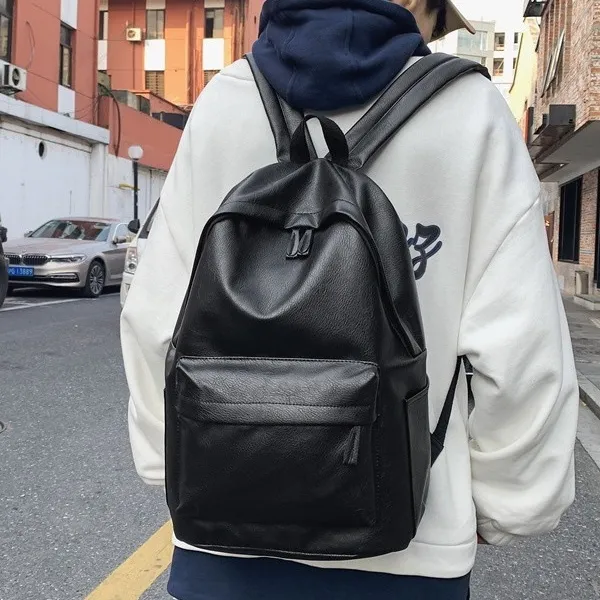
Custom Backpacks: Perfect for students, travelers, or commuters.
Custom Drawstring Bags: Ideal for lightweight carrying and promotional events.
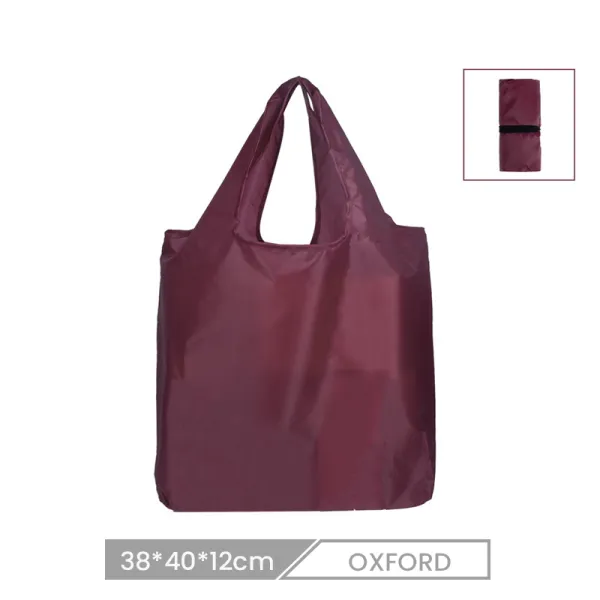
Custom Shopping Bag: Excellent for retail stores and sustainable branding.
Custom Duffle Bags: Perfect for gym-goers and travelers.
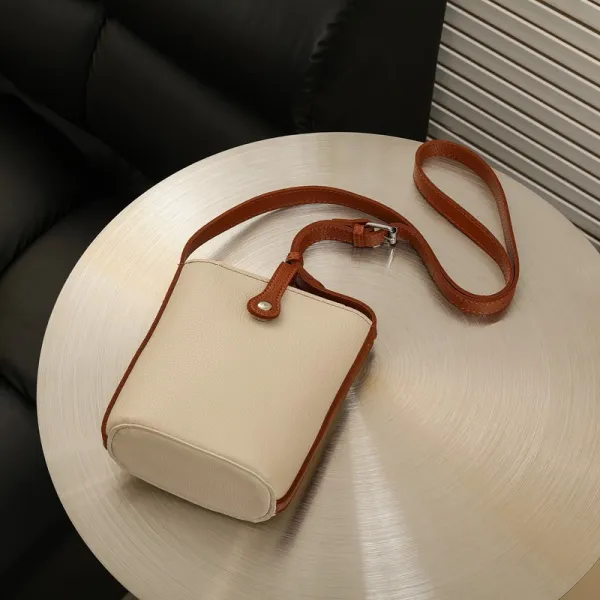
Custom Crossbody Bags: Compact, convenient, and trendy.
Custom Wallets: A stylish accessory that complements your main products.
Start with a small but versatile product line and expand as your brand grows.
Step 4: Find a Reliable Manufacturing Partner
One of the most important decisions in starting your custom bags business is choosing the right supplier. Look for manufacturers who offer quality materials, professional craftsmanship, and flexible customization options.
A trusted supplier like FashionTIY provides a full range of customizable bags — from elegant custom handbags to practical custom backpacks. They allow you to select materials, add your logo, choose colors, and adjust design features.
Working with an established manufacturer ensures consistent quality, cost efficiency, and faster production times — all crucial for building a professional brand.
Step 5: Design Your Collection
Design is where your creativity shines. Think about your customers’ needs and how your products can solve their problems or enhance their lifestyle.
For professionals, design sleek custom crossbody bags and custom wallets that balance elegance and functionality.
For travelers, create durable custom duffle bags and custom backpacks with multiple compartments.
For eco-conscious consumers, design sustainable custom tote bags and custom shopping bags using organic or recycled materials.
Create digital sketches or physical prototypes. Experiment with fabrics, textures, zippers, and handles until you find a style that aligns with your brand.
Step 6: Set Pricing and Budget
Pricing plays a key role in defining your market position. Consider production costs, packaging, shipping, and marketing expenses before setting prices.
Luxury custom handbags can command higher margins, while everyday custom drawstring bags may attract budget-conscious customers.
Offer multiple pricing tiers to reach different audiences. Transparency about materials and craftsmanship can also justify premium pricing and build customer trust.
Step 7: Build Your Online Presence
A professional online presence is essential for modern brands. Start by creating a clean, user-friendly website that showcases your custom bags collection with high-quality product photos and clear descriptions.
Include sections like:
Shop: Display all categories (tote, handbags, backpacks, wallets).
About: Share your brand story and mission.
Blog: Write about topics like bag care, fashion trends, and sustainability.
Contact: Make it easy for customers to reach you.
Use social media platforms like Instagram, Pinterest, and TikTok to promote your designs. Post lifestyle photos of your custom tote bags or custom crossbody bags being used in real life. Visual storytelling helps your audience connect emotionally with your brand.
Step 8: Create a Marketing Strategy
Marketing transforms your brand from unknown to unforgettable. Start with these effective strategies:
Social Media Campaigns – Use Instagram reels or Pinterest pins featuring your custom handbags and custom backpacks.
Influencer Collaborations – Partner with influencers whose audience matches your niche.
Email Marketing – Send newsletters featuring new arrivals, such as custom duffle bags or custom wallets.
SEO Optimization – Use relevant keywords like “custom bags” throughout your site and blog content.
Content Creation – Write guides or fashion tips that subtly feature your custom shopping bags or other products.
Consistency and authenticity are key to building long-term brand awareness.
Step 9: Plan Packaging and Shipping
First impressions matter, and packaging plays a major role in how customers perceive your brand. Use eco-friendly materials like kraft paper or reusable cotton pouches for your custom handbags and custom tote bags.
Include thank-you cards, care instructions, or small gifts like branded keychains or stickers to enhance the unboxing experience.
For shipping, partner with reliable logistics providers that offer tracking and insurance. Consider offering free or discounted shipping to encourage conversions.
Step 10: Launch Your Brand
Once everything is ready, it’s time to launch! Create excitement before your official release by sharing sneak peeks of your custom crossbody bags or custom drawstring bags on social media.
Run giveaways, countdown posts, or live streams showcasing your collection. Encourage your followers to share your launch with friends — word-of-mouth can drive strong initial sales.
During the launch, offer limited-time discounts or bundle deals, such as pairing custom duffle bags with custom wallets.
Step 11: Gather Feedback and Improve
After your launch, listen to your customers. Collect reviews, monitor comments, and track which custom bags sell best.
Maybe your custom tote bags are popular for their size, or your custom handbags stand out for their craftsmanship. Use this feedback to refine designs and add new features in future collections.
Continuous improvement keeps your brand relevant and competitive in the market.
Step 12: Scale Your Business
Once your business gains traction, it’s time to scale. Introduce new designs, materials, or categories. For example:
Add eco-friendly custom shopping bags for retail partnerships.
Launch premium leather custom wallets or limited-edition custom handbags
Offer travel-focused collections featuring custom duffle bags and custom backpacks
You can also explore wholesale partnerships with stores or expand into global markets. A strong relationship with your manufacturer ensures scalability and consistent quality.
Starting your custom bags business requires passion, creativity, and a clear strategy. From defining your brand identity to partnering with a trusted manufacturer like FashionTIY, every step brings you closer to turning your vision into reality.
Whether you’re creating eco-conscious custom tote bags stylish custom handbags practical custom backpacks, or elegant custom wallets — success comes from offering quality, consistency, and originality.
Build your story, express your creativity, and watch your brand grow with purpose and authenticity. The world of custom bag design is waiting for your unique touch!


Comments
Post a Comment