Swimwear Trends to Watch: What Wholesale Buyers and Custom Brands Need to Know
- Get link
- X
- Other Apps
The swimwear industry continues to evolve at a rapid pace, driven by changing consumer lifestyles, social media influence, sustainability concerns, and advances in textile technology. For wholesale buyers and custom brands, staying ahead of emerging trends is no longer optional—it is essential for maintaining relevance and competitiveness. From design aesthetics to functional innovation, understanding where the market is heading helps businesses make smarter sourcing decisions and build collections that resonate with modern consumers.
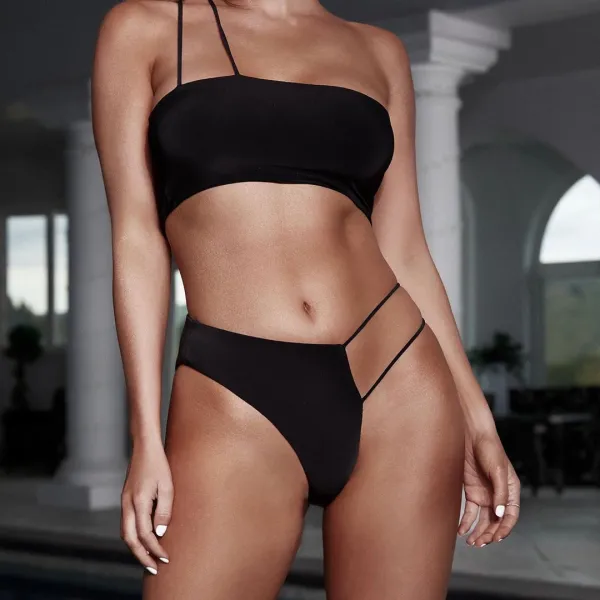
One of the most noticeable shifts in recent years is the growing demand for versatility. Consumers increasingly expect swimwear to perform beyond the beach or pool. One-piece swimsuits that double as bodysuits, bikini tops styled as crop tops, and swim shorts suitable for casual outings are gaining popularity. This trend has reshaped how wholesale swimsuits are designed and marketed. Buyers now favor styles that can be worn in multiple settings, extending the perceived value of each piece and encouraging repeat purchases.
Design trends continue to cycle, but with modern reinterpretations. Vintage-inspired silhouettes such as high-waisted bottoms, structured tops, and classic one-pieces are making a strong comeback. These styles appeal to a wide demographic, offering both aesthetic charm and comfort. At the same time, minimalist designs with clean lines and neutral palettes are attracting consumers who prefer timeless fashion over seasonal novelty. For wholesale bikinis suppliers, this balance between trend-driven and evergreen styles is key to building collections with longer shelf life.
Color and print trends remain heavily influenced by global fashion movements and digital culture. Earth tones, soft pastels, and muted shades reflect a broader shift toward natural and calming aesthetics. Meanwhile, bold patterns, abstract prints, and vibrant tropical motifs continue to perform well in resort and vacation markets. Custom swimwear brands often leverage exclusive prints and color combinations to differentiate themselves from mass-produced options, using visual identity as a core branding element.
Fabric innovation is another major trend shaping the industry. Consumers are more informed than ever about material quality, durability, and environmental impact. As a result, recycled fabrics and eco-conscious materials are becoming standard rather than niche. Many wholesale swimsuits now incorporate fabrics made from regenerated nylon or recycled polyester, offering stretch, softness, and resistance to chlorine and UV rays. Brands that communicate these material benefits clearly often gain trust and loyalty from environmentally aware customers.
Sustainability goes beyond fabric choice. Ethical production, reduced waste, and responsible packaging are increasingly important to buyers and end consumers alike. Wholesale buyers are paying closer attention to factory certifications, labor practices, and supply chain transparency. Custom swimwear brands, in particular, are using sustainability as a storytelling tool, aligning their values with those of their audience. This trend is not only shaping purchasing decisions but also influencing long-term brand positioning.
Fit and inclusivity have become defining factors in swimwear design. Consumers expect brands to cater to a wide range of body types, ages, and preferences. Extended size ranges, adjustable features, and supportive construction are no longer optional. This shift has impacted wholesale men swimsuits as well, with greater attention paid to comfort, flexibility, and tailored fits. For women’s collections, inclusive sizing and thoughtful design details such as adjustable straps and reinforced panels help broaden market appeal.
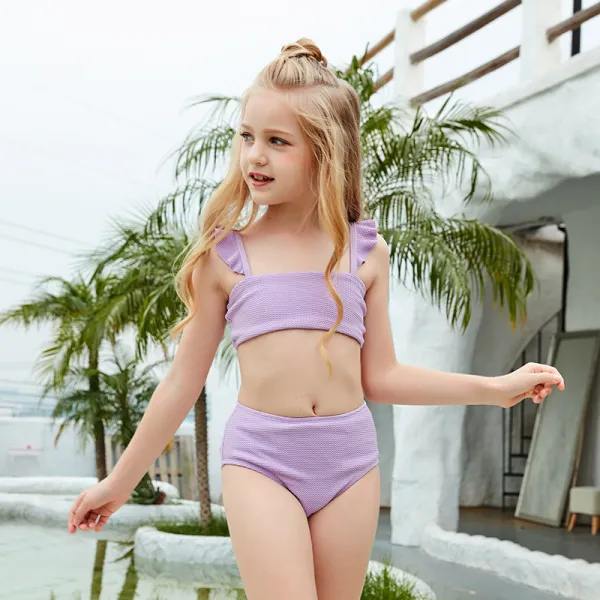
The children’s swimwear segment is also experiencing notable evolution. Wholesale girl swimsuits now emphasize not only fun and playful designs but also functionality and safety. UV-protective fabrics, secure fits, and durable construction are high priorities for parents. Coordinated sets, rash guards, and swim dresses are growing in popularity, reflecting a blend of practicality and style. For wholesale buyers, this category offers consistent demand and strong repeat business.
Customization continues to be a powerful trend influencing both established and emerging brands. Custom swimwear allows businesses to move beyond generic designs and create collections tailored to specific audiences or markets. From exclusive colorways to branded trims and labels, customization helps brands stand out in crowded marketplaces. Advances in digital printing and sampling have made customization more accessible, reducing development time and allowing for smaller, more agile production runs.
Technology is also reshaping how swimwear trends are identified and executed. Data-driven trend forecasting, social media analytics, and influencer insights help brands predict demand with greater accuracy. Wholesale buyers use these tools to select styles that align with upcoming seasons, while custom brands use them to refine design concepts before production. This integration of technology reduces risk and increases the likelihood of commercial success.
Another trend worth noting is the rise of niche swimwear categories. Modest swimwear, adaptive swimwear, and gender-neutral designs are gaining visibility and acceptance. These segments often rely heavily on custom swimwear solutions to meet specific functional and cultural needs. Wholesale suppliers that can support these niches with flexible production capabilities are well positioned for future growth.
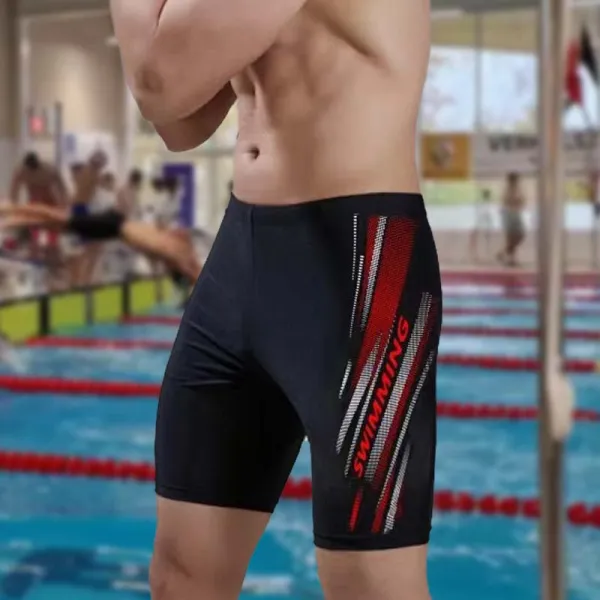
Men’s swimwear is also undergoing stylistic transformation. While classic swim trunks remain popular, there is increasing interest in tailored silhouettes, shorter inseams, and premium finishes. Wholesale men swimsuits that blend performance features with refined design appeal to consumers who value both style and practicality. This shift reflects a broader trend toward elevated casualwear across fashion categories.
E-commerce and direct-to-consumer models continue to influence swimwear trends. Online shopping has heightened the importance of product photography, fit descriptions, and customer reviews. Wholesale buyers now consider how well styles will translate visually on digital platforms. Custom brands often design collections with online presentation in mind, focusing on distinctive details that stand out on screens and social feeds.
Looking ahead, agility will define success in the swimwear industry. Trends emerge and evolve quickly, driven by global events, cultural shifts, and technological innovation. Wholesale buyers must balance trend adoption with inventory management, while custom brands must stay true to their identity without falling behind. Strong relationships with reliable suppliers and manufacturers enable faster response times and greater flexibility.
In conclusion, understanding swimwear trends is essential for both wholesale buyers and custom brands navigating today’s competitive landscape. From versatile designs and sustainable materials to inclusive sizing and customization, the direction of the market is clear. By aligning sourcing strategies with consumer expectations and embracing innovation, businesses working with wholesale swimsuits, wholesale bikinis suppliers, wholesale men swimsuits, wholesale girl swimsuits, and custom swimwear can position themselves for long-term growth and relevance in an ever-changing industry.
- Get link
- X
- Other Apps


Comments
Post a Comment