Industry Insight: How Tech is Revolutionizing Mass-Market Suit Design
The fashion industry has always been a dynamic space, constantly evolving with new trends, materials, and technology. However, in recent years, technological advancements have begun reshaping the way suits, particularly mass-market suit designs, are created, manufactured, and distributed. From advanced 3D printing to data-driven pattern making, tech is taking suit design from a purely artisanal craft to a highly automated and efficient process. This blog will delve into how technology is revolutionizing mass-market suit design, and how it is impacting various wholesale categories, including wholesale 2 piece sets, wholesale joggers sets, 2 piece skirt set wholesale, and other customizable options like custom pajama set women, custom men sportswear set, and custom kids sets.

1. The Evolution of Suit Design
The traditional suit has long been synonymous with craftsmanship and precision. Tailors would painstakingly measure each client, cut fabrics by hand, and sew them together with skill and precision. This process, while highly specialized, was labor-intensive and expensive, limiting high-quality suits to a small, affluent segment of the population.
With the advent of mass-market fashion, suit design began to shift towards more standardized approaches, resulting in quicker turnaround times and more affordable prices. However, the introduction of tech innovations has taken this even further, making suit production even more accessible, cost-effective, and personalized.
2. The Role of Technology in Suit Design
One of the most profound changes in suit design has been the integration of advanced technology at every stage of the process. Let’s take a look at how different tech advancements are contributing to the revolution in mass-market suit design.
2.1 CAD (Computer-Aided Design)
CAD software has been a game-changer in the fashion industry, particularly in mass-market production. It allows designers to create, modify, and perfect patterns on a digital platform before any physical garment is produced. This not only streamlines the design process but also ensures greater precision and accuracy in measurements. As a result, designers can quickly make alterations, experiment with different fabrics, and even create prototypes in virtual space.
This level of efficiency is crucial in mass-market suits, where high volume production needs to be paired with speed and consistency. Designers can create collections of wholesale 2 piece sets, wholesale joggers sets, or even custom pieces like custom pajama set women, all using CAD software to refine each style before it’s physically manufactured.
2.2 3D Printing and Prototyping
3D printing has opened up exciting new possibilities for the fashion industry, especially when it comes to rapid prototyping. Designers can now create prototype suits or clothing accessories in a matter of hours, rather than weeks. This significantly reduces lead times, especially in the context of high-demand products like wholesale joggers sets or wholesale mens jogger sets.
Moreover, 3D printing allows for more complex designs, with intricate details that would have been difficult or impossible to achieve through traditional manufacturing methods. Custom pieces such as custom men sportswear set or custom kids sets can now be tailored to an even higher degree of specificity, all thanks to this technology.
2.3 Artificial Intelligence and Data-Driven Design
AI has begun to play an increasingly important role in fashion design, especially in terms of data-driven design. AI tools analyze a massive array of consumer preferences, market trends, and fabric performance data, enabling designers to predict which styles, colors, and materials will resonate with customers. This data-driven approach helps companies to develop more accurate designs for their target market, reducing waste and improving customer satisfaction.
For example, using AI to assess which 2 piece skirt set wholesale designs are trending or which custom kids sets are in high demand allows manufacturers to stay ahead of the curve. Not only does this increase efficiency in production, but it also enables brands to create more personalized options for consumers, thereby enhancing the mass-market appeal.
2.4 Smart Fabrics and Wearable Tech
One of the most exciting developments in suit design is the integration of smart fabrics and wearable tech. These innovations are particularly beneficial for sportswear, activewear, and even formal suits. For example, custom men sportswear sets might incorporate fabrics with moisture-wicking properties or even embedded sensors to monitor body temperature, heart rate, and movement.
While mass-market suits are still primarily made from traditional fabrics like wool, cotton, and polyester, there is increasing interest in fabrics that can adjust to environmental conditions, change color, or even provide comfort-enhancing features. Wholesale kids sets could soon incorporate fabrics that grow with the child, adjusting in size to match growth patterns, which would be a game-changer in both convenience and sustainability.
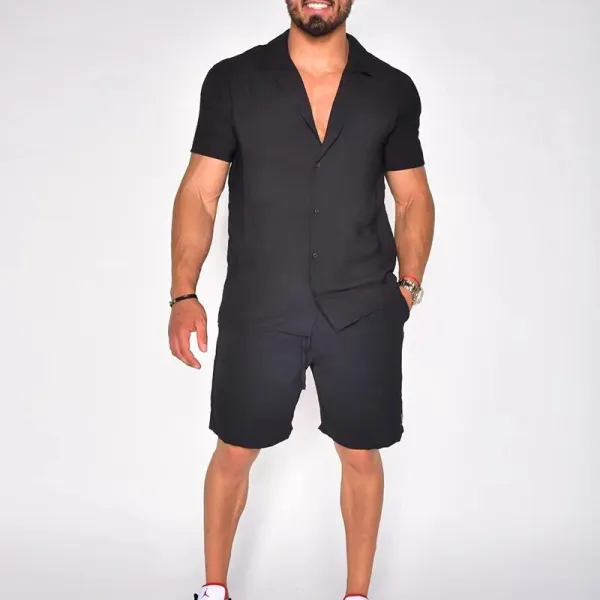
2.5 On-Demand Manufacturing and Customization
On-demand manufacturing is transforming how suits and other apparel items are produced and distributed. Through the use of digital fabric printing, automatic cutting machines, and other technologies, manufacturers can produce suits on a small scale or even for individual customers without the need for large-scale, pre-made stock.
This customization process is particularly appealing in the context of wholesale 2 piece sets or 2 piece skirt set wholesale. It allows customers to choose fabrics, sizes, and even designs for their suits, ensuring they get a unique product that fits their personal taste and body shape. In addition, this technology has significantly reduced waste, since garments are only made once an order is placed, minimizing overproduction and unsold inventory.
The ability to customize has become increasingly important for consumers, and this is reflected in the growing demand for tailored products such as custom pajama set women or custom kids sets. Instead of choosing from a pre-set collection, customers can now design their own products, often using online platforms that allow them to visualize their choices in real-time.
3. Impact on Mass-Market Fashion and Wholesale Trends
The influence of technology on suit design extends far beyond luxury brands and high-end fashion houses. Mass-market clothing is being profoundly impacted by these technological advancements, particularly in the realm of wholesale fashion.
3.1 Scalability and Speed
Wholesale fashion, including wholesale joggers sets and wholesale mens jogger sets, has traditionally been subject to long production cycles and high minimum order quantities. However, with technology driving the process, brands can now produce high-quality products at scale, without the need for massive upfront investments in stock.
For example, wholesale 2 piece sets and wholesale blank short sets can be produced on-demand, allowing retailers to offer more variety and frequent new collections without committing to large inventories. This flexibility benefits both the producer and the consumer, as it allows for faster turnaround times and more tailored products.
3.2 Personalization and Customization at Scale
Another key benefit of technology is its ability to enable personalization at scale. While mass-market suits were once synonymous with standard sizing and limited options, technology now allows for customization on a massive scale. Consumers can choose specific fits, fabrics, and even colors for items like wholesale kids sets, custom men sportswear set, or custom pajama set women.
Brands that use this technology can meet the growing demand for individualized products without compromising on efficiency or affordability. This customization has proven particularly valuable in markets where customers want to add their unique touch, whether it’s for personalized branding or simply the desire to express individuality.
3.3 Sustainability and Efficiency
Sustainability has become a significant concern for many fashion brands, and technology is helping to address this issue. Automation, precision fabric cutting, and 3D knitting are just a few examples of how technology is improving the sustainability of suit and clothing production. By minimizing waste, optimizing fabric usage, and reducing reliance on harmful chemicals, these tech-driven processes are making mass-market fashion more eco-friendly.
For example, the ability to design custom kids sets or custom pajama set women with more sustainable materials reduces the environmental footprint of production. Additionally, on-demand manufacturing ensures that only the garments that are actually needed are produced, helping to curb overproduction, which is one of the fashion industry’s biggest contributors to waste.
4. The Future of Mass-Market Suit Design
Looking ahead, it’s clear that technology will continue to shape the future of mass-market suit design. Advances in artificial intelligence, 3D printing, and automation will likely lead to even more efficient, personalized, and sustainable methods of production. Wholesale fashion, from wholesale joggers sets to wholesale 2 piece sets, will become more adaptable and responsive to consumer preferences.
As consumers demand more variety, customization, and convenience, brands will need to embrace these new technologies to stay competitive. Whether it’s creating bespoke suits through AI-driven design tools, utilizing smart fabrics to enhance comfort, or offering quick-turnaround, on-demand manufacturing, technology will play an essential role in meeting the evolving needs of the modern fashion market.
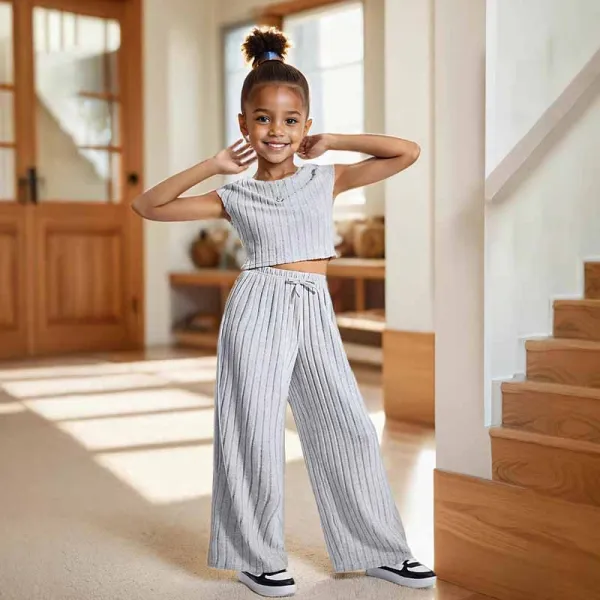
The marriage of technology and fashion has already begun to revolutionize mass-market suit design, and the future looks even more exciting. The tools available today are allowing brands to offer better products faster, more sustainably, and more personally than ever before. With an ever-growing consumer appetite for personalized, high-quality garments, it’s clear that tech will continue to drive innovation in the fashion industry for years to come.


Comments
Post a Comment