Custom Jeans: The Art of Personalized Denim
Denim has long been a cornerstone of global fashion. From rugged workwear to high-fashion statements, jeans have evolved into one of the most versatile and enduring garments in any wardrobe. In 2026, the demand for individuality and perfect fit has pushed the industry toward customization, making custom jeans a powerful opportunity for brands and entrepreneurs alike.
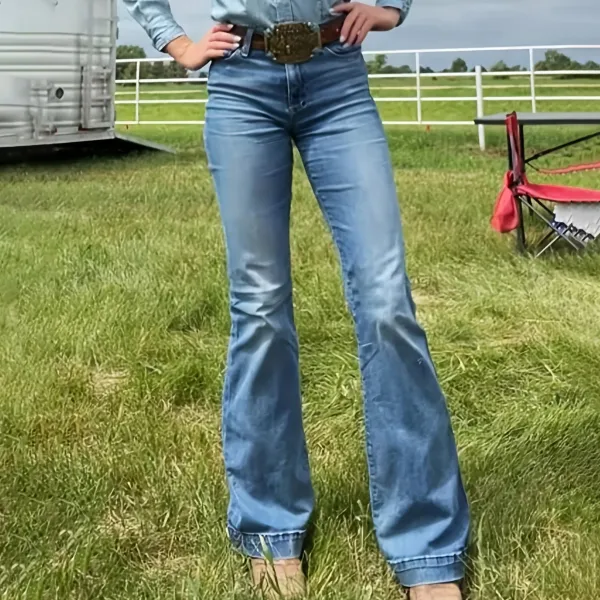
Personalized denim is more than just tailoring—it is a fusion of craftsmanship, technology, and personal expression. This article explores how custom jeans are reshaping the fashion landscape, the design process behind them, and how businesses can leverage this trend to build strong, scalable brands.
The Evolution of Denim
From Utility to Fashion Icon
Originally designed for durability and function, jeans were worn by workers who needed tough clothing. Over time, denim transitioned into mainstream fashion, embraced by designers and consumers across the globe.
The Shift Toward Personalization
Mass-produced jeans often fail to accommodate diverse body shapes and style preferences. Customization addresses this gap by offering tailored solutions that enhance fit, comfort, and individuality.
Why Custom Jeans Matter
Perfect Fit
One of the biggest challenges with traditional denim is achieving the right fit. Customization allows for precise measurements, ensuring that jeans fit perfectly and comfortably.
Unique Style
Custom jeans enable customers to express their personality through design elements such as washes, cuts, and embellishments.
Long-Term Value
Well-fitted, high-quality jeans are more durable and provide better value over time, encouraging customer loyalty.
Building a Brand with Private Label Solutions
To scale effectively, many businesses rely on custom clothing private label services. This approach allows brands to create unique denim collections under their own label while maintaining control over quality and design.
Benefits of Private Labeling
- Strong brand identity
- Higher profit margins
- Flexibility in product development
- Faster response to market trends
Designing for Inclusivity
Inclusivity is essential in modern fashion, and denim is no exception.
Plus Size Denim
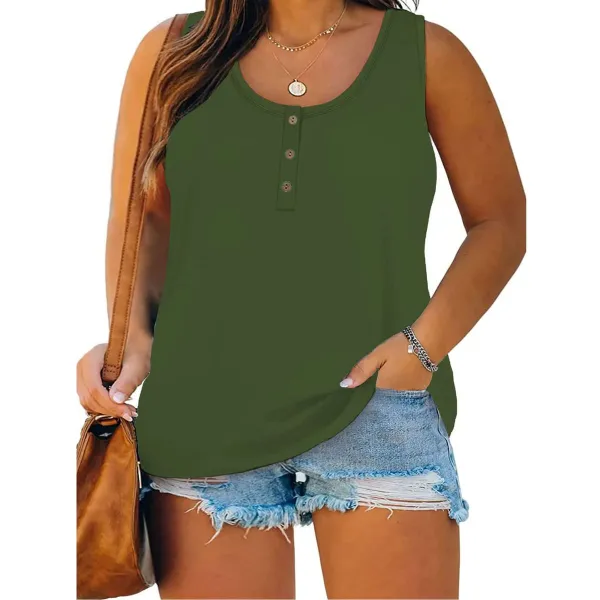
Offering custom plus size clothing ensures that customers of all body types can enjoy well-fitting jeans.
Diverse Fits and Styles
Designs should cater to various preferences, including:
- Skinny and slim fits
- Straight and relaxed cuts
- High-waisted and low-rise options
Comfort and Flexibility
Stretch fabrics and ergonomic designs improve comfort and mobility.
Expanding Product Categories
To maximize growth, brands should diversify their offerings beyond denim.
Dresses
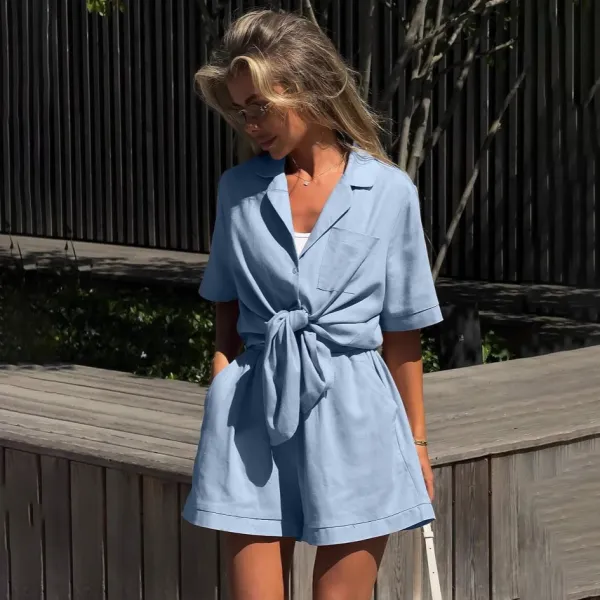
Stylish custom dresses can complement denim collections and attract a broader audience.
Swimwear
Seasonal items like custom swimwear expand your brand’s reach and versatility.
Lingerie
Comfort-focused items such as custom lingerie align with the emphasis on fit and quality.
Sportswear
Activewear like custom sportswear allows brands to tap into the growing athleisure market.
Women’s Sets
Coordinated outfits such as custom women's sets enhance styling options and convenience.
Accessories
Accessories like custom socks add variety and increase average order value.
The Custom Jeans Design Process
Measurement and Fit
Accurate measurements are the foundation of custom denim. Designers must consider:
- Waist, hips, and inseam
- Body proportions
- Movement and comfort
Fabric Selection
Choosing the right denim fabric is crucial. Options include:
- Raw denim for durability
- Stretch denim for comfort
- Lightweight denim for flexibility
Style Customization
Customers can personalize various design elements, such as:
- Wash and color
- Distressing and embellishments
- Pocket design and placement
- Stitching details
Production and Quality Control
Skilled craftsmanship ensures that each pair of jeans meets high standards of quality and durability.
Branding Through Custom Denim
Signature Designs
Unique design elements help establish a recognizable brand identity.
Logo Placement
Subtle branding, such as embroidered logos or custom tags, enhances brand visibility.
Storytelling
Sharing the story behind your denim—materials, craftsmanship, and inspiration—builds emotional connections with customers.
Marketing Strategies
Visual Content
High-quality images and videos are essential for showcasing custom jeans. Highlight:
- Fit and silhouette
- Fabric texture
- Styling versatility
Social Media Engagement
Platforms like Instagram and TikTok are ideal for promoting denim collections.
Influencer Collaborations
Partnering with influencers can increase brand visibility and credibility.
Enhancing Customer Experience
Personalization Tools
Offer online tools that allow customers to design their own jeans.
Clear Sizing Guides
Provide detailed size charts to ensure accurate fit.
Responsive Customer Support
Timely assistance builds trust and encourages repeat purchases.
Challenges and Solutions
Production Complexity
Customization can complicate manufacturing processes. Solution: streamline workflows and partner with experienced suppliers.
Cost Management
Custom products may have higher costs. Solution: implement strategic pricing and optimize production efficiency.
Inventory Management
Balancing supply and demand is essential. Solution: use data analytics to forecast trends.
Future Trends in Custom Denim
Sustainable Materials
Eco-friendly fabrics and ethical production practices are becoming increasingly important.
Technology Integration
AI-driven design tools and virtual fitting rooms enhance the customization process.
Smart Denim
Innovations in textile technology may introduce features such as temperature regulation and performance tracking.
Hyper-Personalization
Advanced customization options allow customers to create truly unique products tailored to their preferences.
Custom jeans represent the perfect blend of craftsmanship, innovation, and personal expression. By offering custom jeans, brands can meet the evolving demands of modern consumers while building strong, recognizable identities.
Expanding into complementary categories such as dresses, swimwear, lingerie, sportswear, women’s sets, and socks ensures a diverse and appealing product portfolio. Leveraging custom clothing private label solutions further enhances scalability and brand control.
In 2026 and beyond, personalization will continue to shape the denim industry. Brands that prioritize quality, inclusivity, and customer experience will lead the market and achieve sustainable growth.


Comments
Post a Comment