Succeeding in Sexy Lingerie Wholesale: Key Strategies
The sexy lingerie wholesale business offers significant opportunities for entrepreneurs willing to navigate this dynamic and growing market. With changing societal attitudes and increased consumer demand, the industry continues to expand at a steady pace. Success in this competitive field requires strategic planning, market knowledge, and operational excellence. This comprehensive guide explores the key strategies for building a profitable sexy lingerie wholesale business.
Understanding the Market Landscape
Industry Overview
The global intimate apparel market is valued at over $150 billion, with the sexy lingerie segment experiencing rapid growth:
Market Segment | Growth Rate | Key Drivers |
|---|---|---|
Sexy Lingerie | 8-12% | Changing attitudes, social media influence |
Adult Wellness | 10-15% | Wellness trends, product innovation |
Lingerie Accessories | 6-8% | Complementary product demand |
Market Trends to Watch
Body Positivity Movement: Increased demand for inclusive sizing
Sustainability: Growing interest in eco-friendly materials
Technology Integration: Smart fabrics and app-connected devices
Online Retail: Dominance of e-commerce channels
Personalization: Demand for custom and private label products
Market Positioning and Target Audience
Defining Your Niche
Successful wholesale businesses focus on specific niches:
Product Specialization: Focus on a particular product category
Target Market: Specialize in serving specific customer segments
Geographic Focus: Target regional or global markets
Price Range: Position in specific price brackets
Identifying Your Ideal Customer
Customer Type | Needs | Expectations |
|---|---|---|
Boutique Owners | Unique, quality products | Personalized service, exclusivity |
Online Retailers | Variety, competitive pricing | Fast shipping, dropshipping options |
Social Media Sellers | Visual appeal, trending items | High-quality images, marketing support |
Brand Entrepreneurs | Customization, branding | Private label services, design support |
Product Selection and Inventory Management
Building a Winning Product Portfolio
Core Products: High-demand items that drive sales
Complementary Products: Items that increase average order value
Trend Items: New and emerging products that attract customers
Seasonal Items: Products that capitalize on seasonal demand
Complementary Product Categories
Expand your offerings to increase revenue:
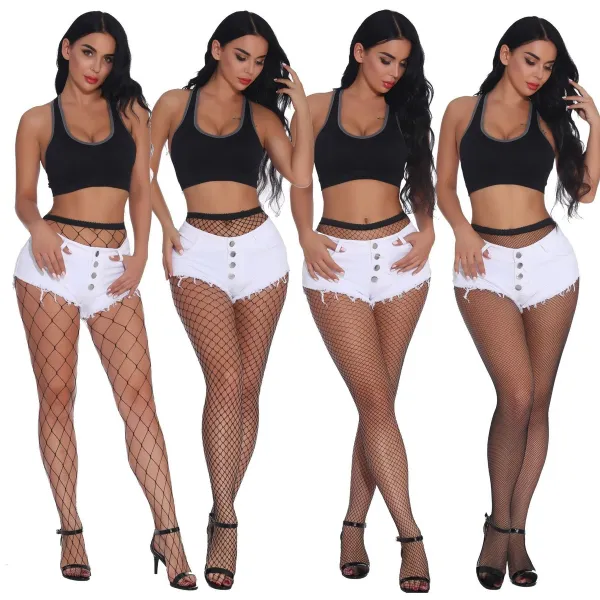
Wholesale stockings for classic elegance
Wholesale sexy lingerie accessories for complete looks
Wholesale thongs for everyday comfort
Wholesale sex toys for enhanced experiences
Wholesale bondage gear for adventurous customers
Wholesale pole dancing shoes for performers
Wholesale sexy costumes for special occasions
Inventory Management Best Practices
Demand Forecasting: Use sales data to predict inventory needs
Safety Stock: Maintain buffer inventory for popular items
Seasonal Planning: Prepare for peak seasons in advance
Inventory Turnover: Monitor and optimize stock levels
Supplier Relationships: Ensure reliable supply chain
Supplier Management Strategies
Selecting Reliable Suppliers
Key criteria for evaluating suppliers:
Product quality and certifications
Pricing competitiveness
MOQ requirements
Lead times and delivery reliability
Customization capabilities
Communication responsiveness
Building Strong Supplier Relationships
Regular Communication: Maintain open lines of communication
Mutual Trust: Build relationships based on trust and transparency
Performance Evaluation: Regularly assess supplier performance
Diversification: Work with multiple suppliers to reduce risk
Long-Term Partnerships: Develop strategic alliances

Pricing and Profitability
Cost Structure Analysis
Cost Component | Percentage | Considerations |
|---|---|---|
Product Cost | 50-60% | Negotiate volume discounts |
Shipping | 10-15% | Optimize logistics |
Marketing | 10-15% | Invest in digital marketing |
Overhead | 10-15% | Control operating expenses |
Profit | 15-25% | Target healthy margins |
Pricing Strategies
Competitive Pricing: Match or beat competitors
Value-Based Pricing: Price based on perceived value
Volume Discounts: Reward large orders
Bundling: Create value packs
Promotional Pricing: Limited-time offers
Marketing and Sales Strategies
Building Your Brand
Brand Identity: Develop a strong brand image
Professional Website: Create a user-friendly online presence
Content Marketing: Produce valuable blog content
Social Media: Engage customers on relevant platforms
Customer Acquisition Channels
Search Engine Optimization: Rank for relevant keywords
Pay-Per-Click Advertising: Targeted ads on search engines
Social Media Marketing: Engage customers on Instagram, TikTok, Pinterest
Email Marketing: Build and nurture email lists
Trade Shows: Connect with buyers in person
Customer Retention Strategies
Excellent Service: Provide exceptional customer support
Loyalty Programs: Reward repeat customers
Personalization: Tailor recommendations
Feedback Loop: Regularly seek customer input
Operations and Logistics
Streamlining Operations
Order Management: Efficiently process and fulfill orders
Inventory System: Implement robust inventory management software
Customer Support: Provide responsive support
Quality Control: Ensure product quality
Logistics Considerations
Shipping Options: Offer multiple shipping methods
Packaging: Invest in quality, discreet packaging
Returns Policy: Clear and fair return procedures
International Shipping: Understand customs and regulations
Case Study: Successful Lingerie Wholesale Business
250% revenue growth in first two years
Built a loyal customer base of 500+ retailers
Achieved 95% customer satisfaction rate
Expanded product line to 300+ SKUs
Key Strategies:
Focused on niche product categories
Built strong supplier relationships
Invested in digital marketing
Provided exceptional customer service
Common Challenges and Solutions
Challenge 1: Quality Control
Solution: Implement strict quality checks, work with certified suppliers
Challenge 2: Inventory Management
Solution: Use data-driven forecasting, maintain optimal stock levels
Challenge 3: Marketing Restrictions
Solution: Focus on wellness messaging, use compliant platforms
Challenge 4: Competition
Solution: Differentiate through product selection, service, and pricing
Future-Proofing Your Business
Emerging Trends to Prepare For
AI Integration: Smart products and automation
Sustainability: Eco-friendly materials and practices
Direct-to-Consumer: Omnichannel retail strategies
Personalization: Custom products and experiences
Strategic Investments
Technology: Invest in inventory and CRM systems
Supplier Relationships: Develop strategic partnerships
Customer Experience: Enhance online and offline experiences
Market Expansion: Explore new markets and product categories
Building a successful sexy lingerie wholesale business requires a combination of market knowledge, strategic planning, and operational excellence. By understanding your target audience, selecting the right products, building strong supplier relationships, and implementing effective marketing strategies, you can create a profitable and sustainable business.
FashionTIY offers comprehensive solutions for lingerie sourcing, providing access to high-quality products across multiple categories from wholesale stockings to wholesale sexy costumes. Their competitive pricing, reliable service, and customization capabilities make them an ideal partner for retailers looking to succeed in this dynamic market.
Remember, success in the lingerie wholesale business is a journey, not a destination. Continuously adapt to market changes, listen to your customers, and refine your strategies to stay ahead of the competition.


Comments
Post a Comment