Wholesale to D2C: Scaling Your Lingerie Business for Maximum Retail Margins
In the modern lingerie industry, the traditional path to success—relying on third-party retailers or operating a purely wholesale-based model—is increasingly becoming a limitation on growth. As we move through 2026, the most successful apparel entrepreneurs are those who have successfully navigated the transition from wholesale procurement to a Direct-to-Consumer (D2C) model. This shift is not merely about changing where you sell; it is about reclaiming the entire customer experience, capturing the full retail margin, and building a brand that exists independent of middle-man influence.

For many, the jump from "wholesale buyer" to "D2C brand owner" seems daunting. However, the infrastructure available today—from digital marketing tools to agile manufacturing partnerships—makes this evolution more accessible than ever. This article explores how to bridge the gap, scale your brand, and maximize your margins in the process.
1. The Margin Multiplier: Why D2C?
The primary driver of the shift to D2C is simple: economics. When you operate as a reseller for other brands or act as a generic wholesaler, your margins are effectively capped by the market. When you build a D2C brand, you own the relationship with the customer.
By sourcing high-quality products directly from
2. Curating the Core: Selecting Your D2C Portfolio
The biggest mistake retailers make when transitioning to D2C is trying to carry too many SKUs. In the wholesale world, "more is more." In the D2C world, "best is more."
Your D2C strategy should focus on "hero" items—products that solve specific problems and build brand trust.
The Foundation: Start by curating
bulk bras The Cross-Sell: A D2C brand thrives on "basket size." Use your core items to build bundles. For example, a "Daily Comfort Kit" consisting of a bra and coordinating
bulk panties
3. Mastering the Customer Lifecycle
In a wholesale model, you are often unaware of who the final user of your product is. In a D2C model, the data is your product. You know who bought the item, why they bought it, and whether they liked it.

Personalization as a Competitive Advantage
The D2C model allows you to offer customization that generic wholesalers cannot. By leveraging the services of a
Serving the Under-Represented
D2C also allows you to focus on specific niches that general retailers ignore. The
4. Scaling Your Operations: Efficiency is Key
As you transition to D2C, your operational burden will change. You are no longer just sending large pallets to a warehouse; you are shipping individual packages to customers’ homes. This requires a new level of focus on "Unit Economics."
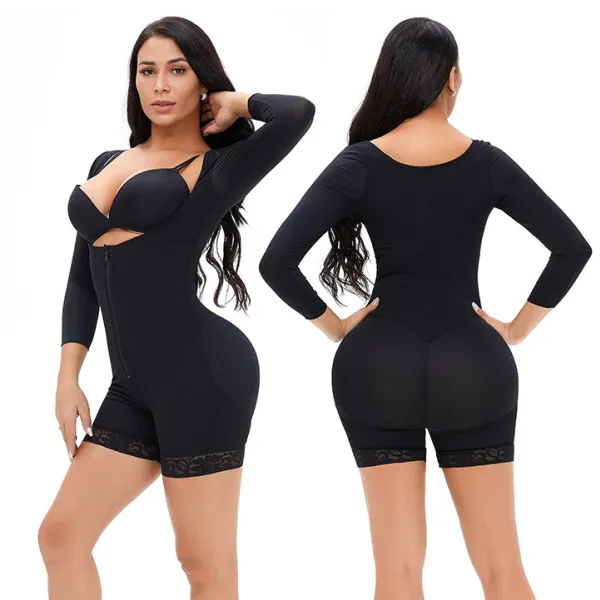
Inventory Velocity: Keep your inventory tight. Use your D2C data to forecast demand. If you have a line of
shapewear wholesale The Feedback Loop: In D2C, returns are data points. If a specific item is being returned, don't just process the refund—find out why. Use that feedback to work with your manufacturers to improve the design. This creates a cycle of constant product improvement that will eventually put you lightyears ahead of static, wholesale-based competitors.
5. Building Your Brand Identity
The final step in moving from wholesale to D2C is building a brand identity that transcends the product. Your customers aren't just buying lingerie; they are buying into your brand’s mission.
Transparency: Share your story. Where is your product made? Why did you pick these materials? Transparency builds trust, and trust leads to long-term profitability.
Community Engagement: Use social media to show real people wearing your lingerie. D2C thrives on social proof. Real-world images of your products on diverse body types do more to sell your items than any staged studio photo.
Customer Experience: Your packaging, your email follow-ups, and your responsiveness are all part of the product. Treat every order like a high-end boutique transaction.
6. The Long-Term Play
Moving from wholesale to D2C is a journey, not a switch. It requires a fundamental shift in mindset—from being a distributor of products to being a creator of value. While it requires more upfront work in terms of marketing, data management, and branding, the rewards are significantly higher. You gain control over your destiny, you build real equity in your brand, and you capture the full value of every item you sell.
Start by identifying one category in your business that you can "own" completely. Optimize the supply, refine the branding, and focus on the D2C customer journey for that single line. As you see the margins grow, you can apply that blueprint to the rest of your inventory. Your business is ready to grow; by reclaiming the retail margin, you are finally giving yourself the capital to fuel that growth properly.


Comments
Post a Comment